
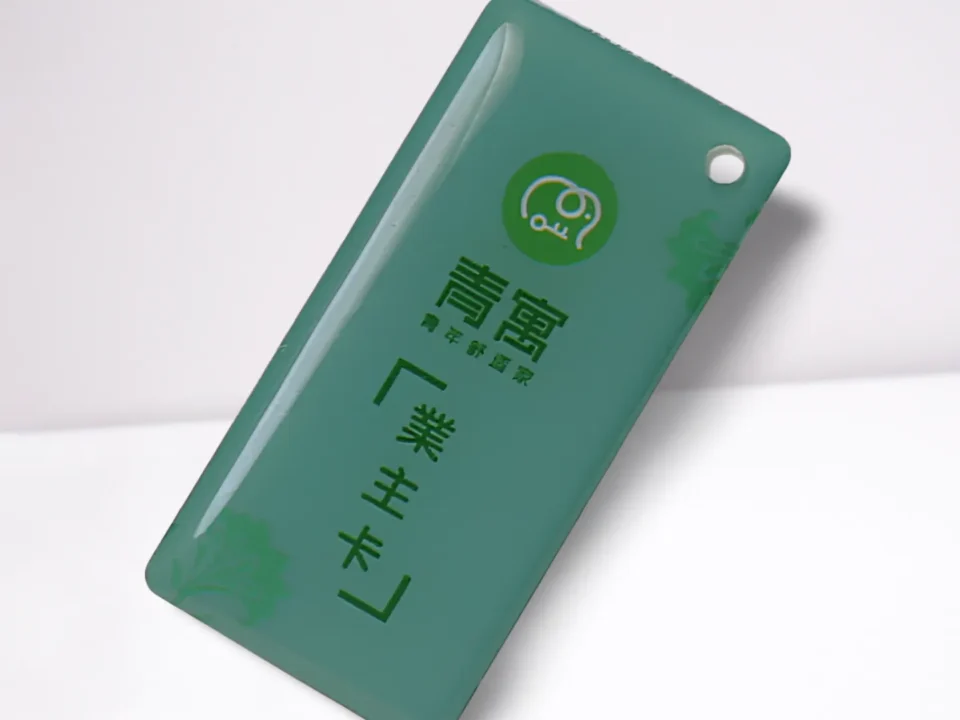
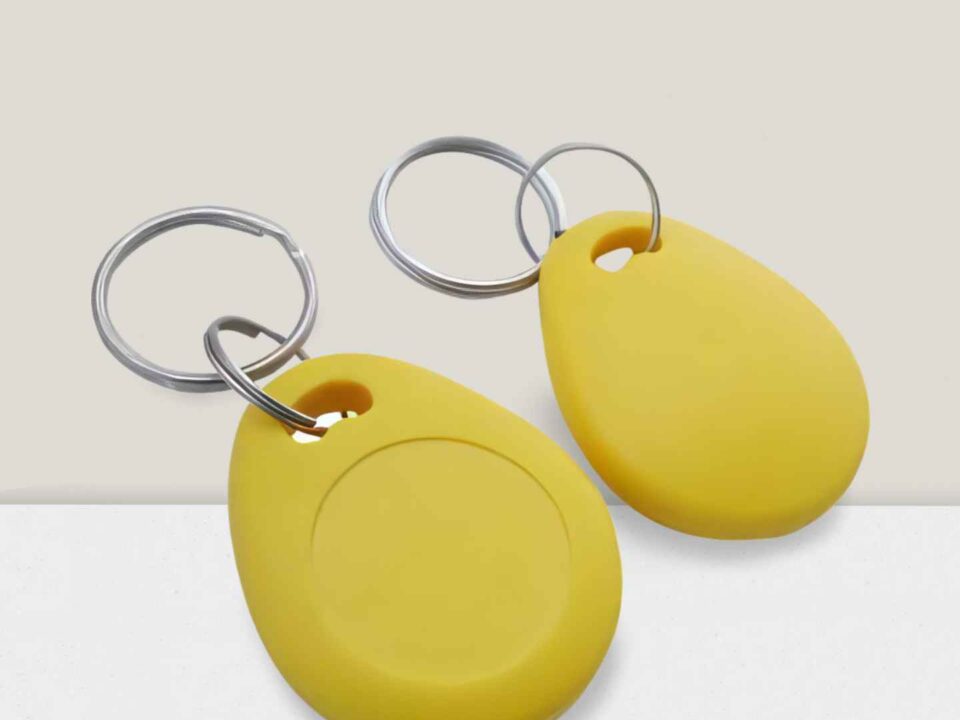
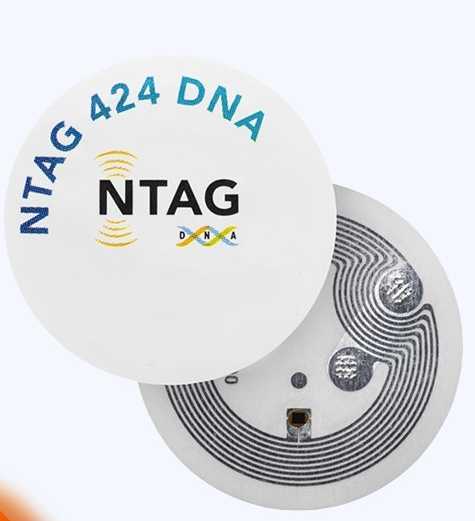
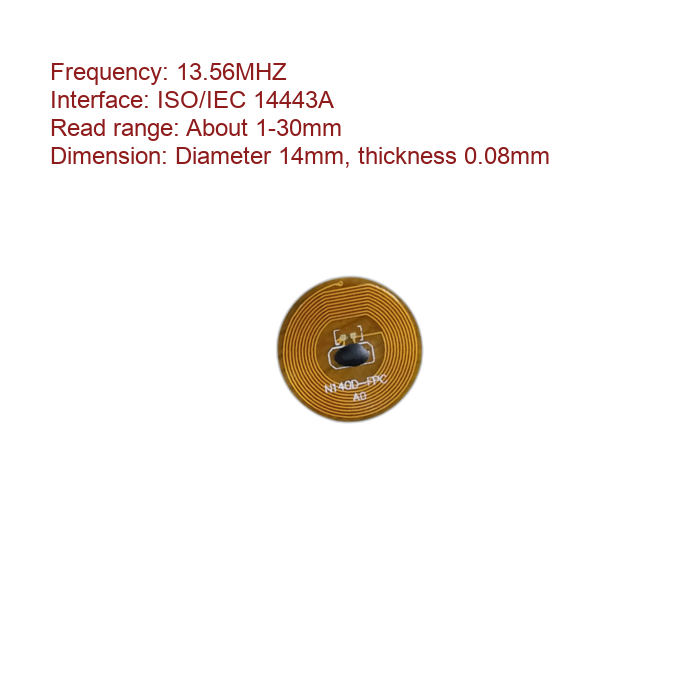
An NFC tag is a small, passive device that stores data and communicates wirelessly with NFC-enabled devices like smartphones. Common specifications include chip type (e.g., NXP NTAG213/215/216), memory (144–888 bytes), operating frequency (13.56 MHz), read range (1–10 cm), and form factor (sticker, card, key fob). NFC tags are waterproof or flexible depending on material. They solve real-world problems by enabling contactless access control, product authentication, smart marketing, inventory tracking, and digital information sharing. By embedding NFC tags into products, passes, or promotional items, businesses can improve efficiency, reduce fraud, and enhance customer engagement.
- Date
- September 5, 2026
Custom printed acrylic NFC plaques and NFC signs in rectangular or round formats with NFC + QR, chip options, samples and bulk OEM supply.- Date
- September 5, 2026
Custom acrylic NFC table stand with branded printing, NTAG213/215/216 options, NFC + QR, URL encoding, samples and bulk OEM supply.- Date
- July 12, 2026
The NTAG424 DNA Hang Tag – NFC Hang Tag for Luxury & Apparel is a premium authentication and engagement solution designed to combat counterfeiting and improve customer interaction. It features:
- Advanced NFC Security: NXP NTAG424 DNA chip with AES-128 encryption, SUN, and SDM for irrefutable product authentication.
- Universal Compatibility: NFC Forum Type 4 and ISO/IEC 14443A compliant for seamless reading with all modern smartphones.
- Fully Customizable: Tailored size, material, and printing options including barcode, QR code, and UID to match brand identity.
- Date
- July 10, 2026
The NTAG424 DNA Coin Tag – Rugged NFC Coin Tag is a durable, waterproof NFC tag designed for B2B applications requiring secure data exchange and authentication. It features:
- NTAG424 DNA Security: AES-128 encryption with Secure Unique NFC (SUN) and Secure Dynamic Messaging (SDM) for advanced data protection.
- Rugged & Waterproof Build: PVC construction with IP68 rating, operating reliably from -25°C to +85°C.
- Universal Compatibility: NFC Forum Type 4 compliant and ISO/IEC 14443A certified for seamless use with all modern smartphones.
- Date
- July 9, 2026
The NTAG424 DNA Epoxy Tag is a premium NFC authentication tag designed to combat counterfeiting and secure brand assets. It features:
- Advanced Security: NXP NTAG424 DNA chip with AES-128 encryption, SUN, and SDM for tamper-evident authentication.
- Robust Durability: Completely encapsulated in scratch-resistant epoxy resin, achieving an IP67 rating for protection against water and dust.
- Universal Compatibility: ISO/IEC 14443A compliant and NFC Forum Type 4 certified for seamless reading with any modern smartphone.
- Date
- July 7, 2026
The NTAG424 DNA Keyfob is a waterproof, durable access credential built around NXP's most secure NFC chip architecture. It features:
- IP67 Waterproof & Rugged ABS Shell: Withstands rain, dust, and daily wear for reliable performance in harsh environments.
- NXP NTAG424 DNA Advanced Security: AES-128 encryption with SUN and SDM modes prevents credential cloning and enables secure authentication.
- Full Customization: Choose logo, color, laser numbering, and QR code to match your brand or system requirements.
- Date
- July 6, 2026
The NTAG424 DNA Label is a cost-effective NFC sticker designed for anti-counterfeiting and product authentication. It features:
- AES-128 Encryption with SUN & SDM: Dynamic, one-time-use authentication codes that prevent cloning and replay attacks.
- ISO/IEC 14443A & NFC Forum Type 4 Compliance: Guaranteed compatibility with all modern smartphones and NFC readers.
- Customizable PET Sticker: Available in custom sizes, with full-color printing, and anti-metal layer options for use on metallic surfaces.
- Date
- June 29, 2026
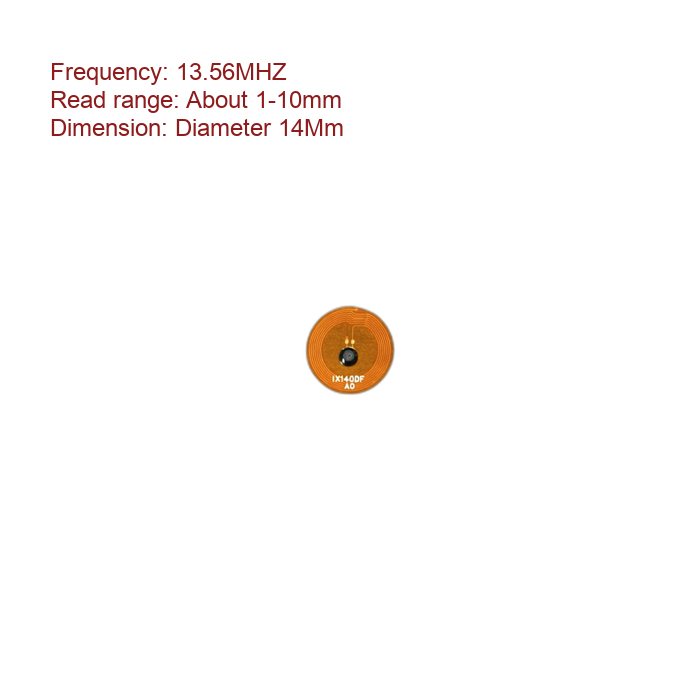
The 14mm diameter RFID tag is a high-performance flexible FPC NFC tag designed for large-scale access control and electronic toll collection systems. Produced by DO RFID Reader manufacturer, it provides reliable performance for professional industrial systems. It features:
- High-Temperature Resistance: Withstands soldering and heat exposure up to 200°C for short durations, ensuring durability in harsh production and deployment environments.
- MIFARE DESFire EV3 Security: Delivers advanced data encryption and fast transaction speeds (up to 848 kbps), ideal for secure payment and identity verification in high-volume systems.
- Ultra-Compact FPC Design: The 0.08 mm flexible circuit enables seamless integration into space-constrained devices or surfaces, simplifying large-scale embedding into tags, cards, or industrial equipment.
- Date
- June 26, 2026
The FPC NFC tag, diameter 14mm is a high-performance FPC NFC tag designed for drug anti-counterfeiting and high-temperature industrial traceability. It provides reliable performance for professional industrial systems. It features:
- Ultra-Compact 14mm Form Factor: Enables seamless integration into space-constrained items like pharmaceutical packaging, ensuring discreet anti-counterfeiting for sensitive applications.
- High Temperature Resistance: Withstands up to 260°C for 30 seconds, making it suitable for industrial processes like SMT soldering without performance loss.
- Advanced Security with Dynamic Chip: Supports password-protected memory and one-way authentication, ensuring robust anti-counterfeiting in large-scale traceability systems.
- Date
- June 26, 2026
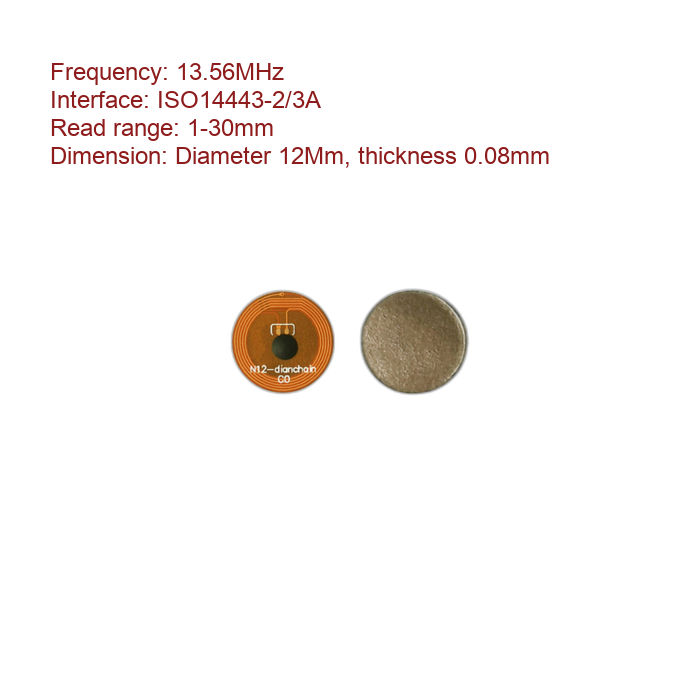
The High-frequency Flexible FPC NFC Tag is a high-performance FPC NFC Tag designed for access control and public transportation systems. Produced by DO RFID Reader manufacturer, it provides reliable performance for professional industrial systems. It features:
- High Temperature Resistance: Withstands 150°C for up to 2 hours and short peaks at 200°C, enabling reliable operation during industrial lamination or sterilization processes.
- Precise Read Range: A compact 1–30mm reading distance ensures accurate near-field identification, ideal for secure access and contactless payment terminals.
- Advanced Security Chipset: Embedding MIFARE DESFire EV1 with triple mutual authentication and encryption, safeguarding sensitive data in high‑security gate entry and toll collection applications.
- Date
- June 26, 2026
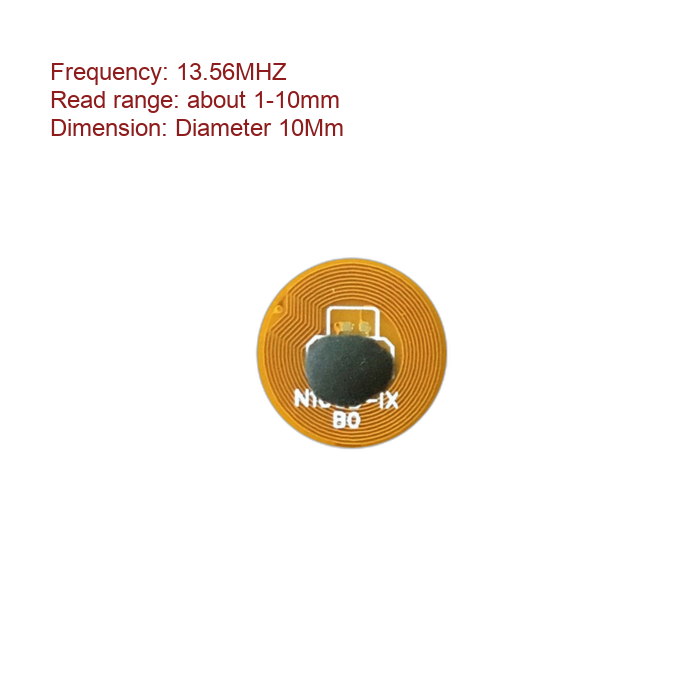
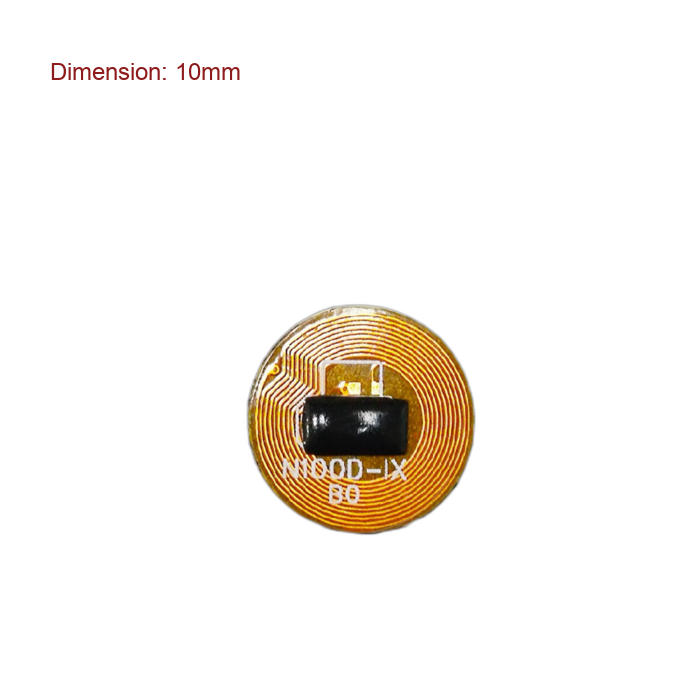
The Diameter 10FPCNFC label is a high-performance FPC NFC tag designed for factory automation and drug supply chain traceability. Produced by DO RFID Reader manufacturer, it provides reliable performance for professional industrial systems. It features:
- High-Temperature Resilience: Withstands 260°C for 10-30 seconds and 200°C for 2 hours, enabling seamless integration into manufacturing workflows.
- ICODE DNA Encryption: Delivers AES-128 bidirectional authentication and originality signatures to prevent counterfeiting in pharmaceutical supply chains.
- Ultra-Compact 10mm Form Factor: Supports item-level tagging in asset tracking and document management where space is limited.
- Date
- June 26, 2026
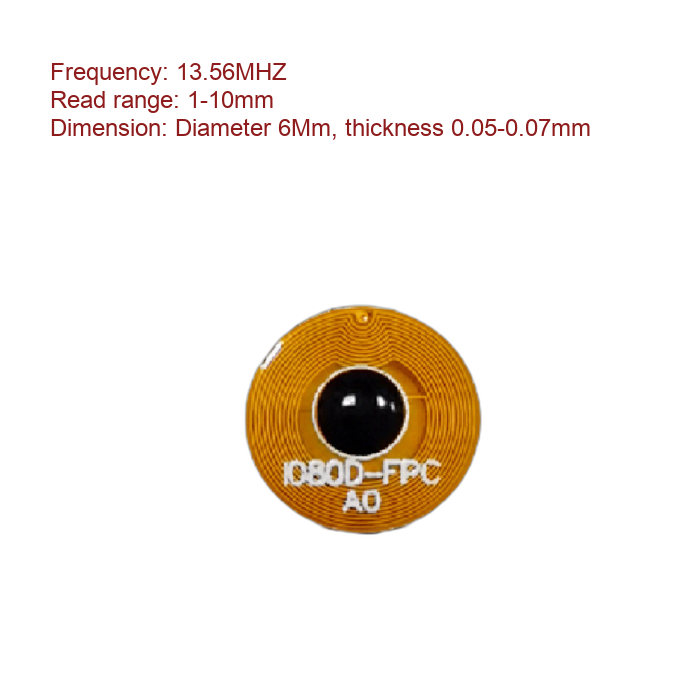
The 10Mm NFC FPC Small Tag RFID 13.56MHz is a high-performance high-temperature resistant NFC tag designed for industrial asset tracking and authentication in extreme heat environments. Produced by DO RFID Reader manufacturer, it provides reliable performance for professional industrial systems. It features:
- High Temperature Resistance: Withstands 200°C for 2 hours and 260°C for 10–30 seconds, making it suitable for injection molding or surface mounting in demanding manufacturing processes.
- Ultra-Compact FPC Design: At just 0.05–0.07 mm thick, the flexible circuit enables seamless integration into space-constrained industrial assemblies and embedded applications.
- Advanced Data Security: ECC-based originality signature, password protection, and anti-tearing support ensure reliable data integrity for secure industrial authentication and tracking.
- Date
- June 26, 2026
The Customizable Diameter 10mm FPC NFC Tag High Temperature Resistant Injection-able Embedded Pharmaceutical Bottle Cap is a high-performance FPC NFC tag designed for embedded pharmaceutical bottle cap applications requiring high-temperature tolerance and compact form factor. Produced by DO RFID Reader manufacturer, it provides reliable performance for professional industrial systems. It features:
- High-Temperature Resistance: Withstands 200°C for 2 hours and 260°C for 10–30 seconds, enabling reliable injection molding integration into bottle caps without performance degradation.
- Ultra-Thin Flexible Substrate: Thickness of just 0.05–0.07mm allows seamless embedding into tight cap cavities, preserving seal integrity and mechanical fit for high-volume production.
- Compact 10mm Diameter: Minimal footprint suited for space-constrained pharmaceutical closures, supporting scalable deployment while maintaining read performance at 10mm distance.
- Date
- June 25, 2026
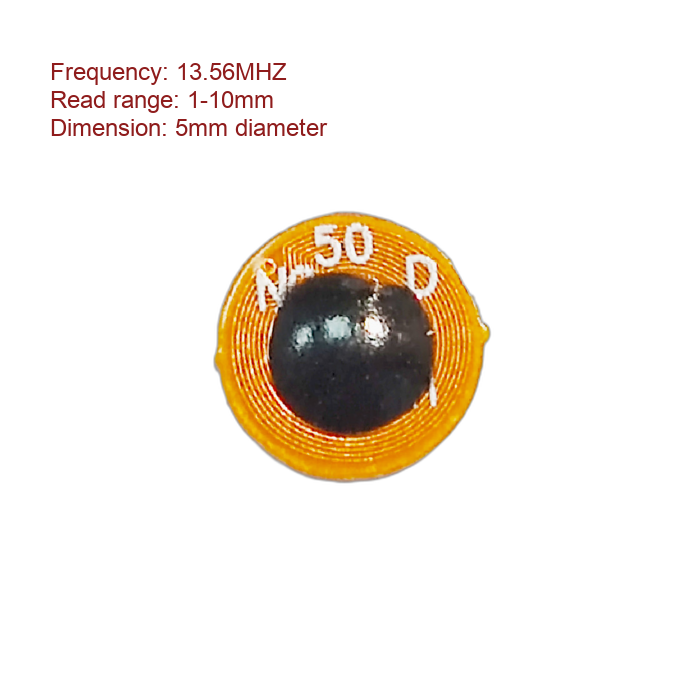
The 5mm FPC NFC Tag is a high-performance FPC NFC tag designed for compact NFC integration for industrial and smart media applications. Produced by DO RFID Reader manufacturer, it provides reliable performance for professional industrial systems. It features:
- Ultra-Compact Form Factor: The 5mm diameter allows discreet embedding into small electronic devices, medical tools, and injection-molded items, enabling secure NFC functionality in space-constrained designs.
- High-Temperature Resilience: Engineered to withstand up to 260°C for brief periods, this tag is optimized for overmolding and other high-heat industrial processes without performance loss.
- Large Data Capacity: With 888 bytes of user memory, the tag supports detailed NDEF records, product authentication data, and secure pairing protocols for sophisticated industrial use cases.
- Date
- June 25, 2026
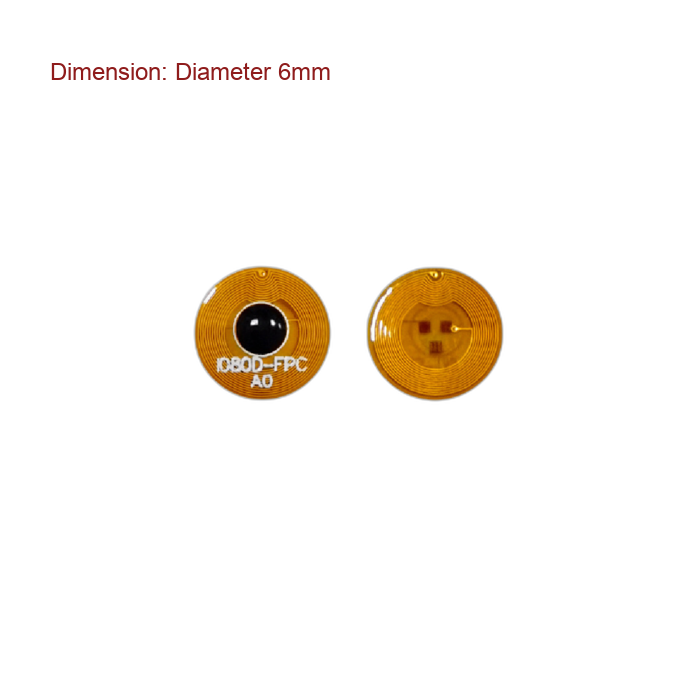
The 6Mm FPC NFC tag is a high-performance FPC NFC tag designed for industrial asset tracking, library management, and supply chain visibility. Produced by DO RFID READER, it provides reliable performance for professional industrial systems. It features:
- Ultra-Compact 6mm Form Factor: Enables seamless embedding into space-constrained assets, consumables, and pharmaceutical packaging for discreet item-level identification.
- EAS & AFI Selective Protection: Supports electronic article surveillance and application family identifier filtering, enhancing security and inventory accuracy in large-scale deployments.
- High-Temperature Resistance & Large Memory: Withstands 260°C reflow soldering and offers 1280-bit user memory, ensuring durable data retention for industrial laundry, factory automation, and supply chain tracking.
- Date
- June 25, 2026
The Customizable 6MM FPC NFC TAG NXP NTAG424DNA with Privacy Random ID Message/Tag Authentication AES - 128-bit key security service is a high-performance FPC NFC tag designed for luxury anti-counterfeiting, high-end alcohol authentication, and secure document verification. Produced by DO RFID Reader, it provides reliable performance for professional industrial systems. It features:
- Privacy Random ID: Prevents tracking by generating dynamic identifiers, ensuring user privacy and secure authentication for brand protection applications.
- AES-128 Encryption: Delivers advanced message and tag authentication, protecting sensitive data against unauthorized access in high-security environments.
- Ultra-Compact 6mm Design: Enables seamless integration into small or high-value items, with high temperature resistance (260°C for 10–30 seconds) suitable for industrial embedding processes.
- Date
- June 25, 2026
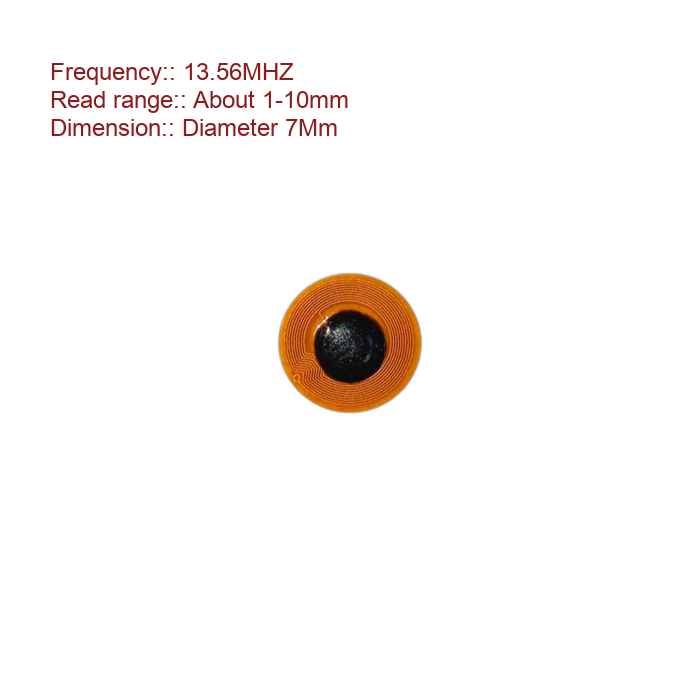
The Customizable Diameter 7 FPC NFC Tag is a high-performance FPC NFC tag designed for consumables and accessory identification. Produced by DO RFID READER manufacturer, it provides reliable performance for professional industrial systems. It features:
- ICODE SLIX Chip: Ensures secure, fast data transfers with unique identification for large-scale asset tracking.
- 7mm Ultra-Small Form Factor: Enables seamless integration into compact consumables and industrial accessories.
- High-Temperature Resistant NFC: Withstands 260°C for up to 30 seconds, ensuring durability in demanding manufacturing processes.
- Date
- June 25, 2026
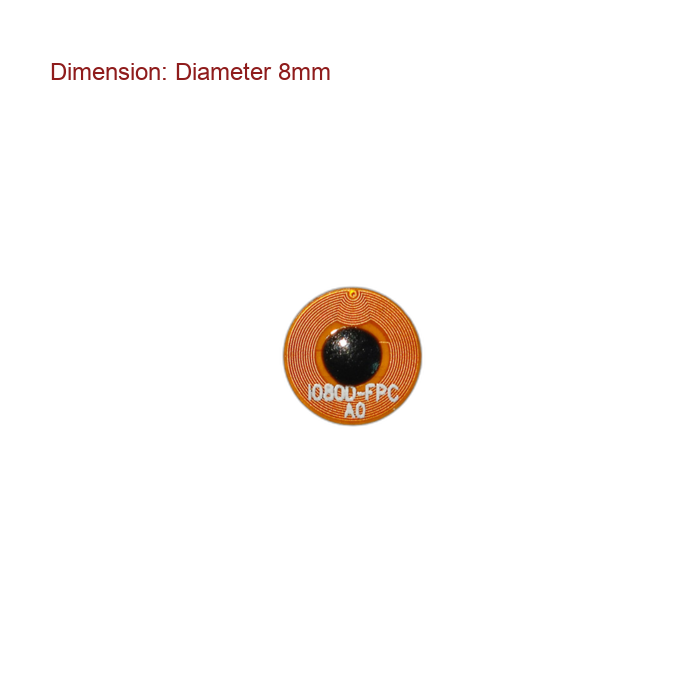
The High frequency FPCNFC tag HS01 chip drug anti-counterfeiting ultra small size diameter 8 flexible RFID electronic tag is a high-performance FPC NFC tag designed for drug anti-counterfeiting and high-temperature industrial applications. Produced by DO RFID READER manufacturer, it provides reliable performance for professional industrial systems. It features:
- Ultra-Compact 8mm Diameter: Enables integration into space-constrained pharmaceutical packaging, ideal for high-density anti-counterfeiting deployments.
- Flexible FPC Substrate: Adapts to curved and irregular surfaces, ensuring reliable attachment on drug bottles and blister packs.
- Dynamic NFC Chip with Password Protection: Provides secure data storage, one-way authentication, and a built-in counter, strengthening anti-counterfeiting measures and traceability.
- Date
- June 25, 2026
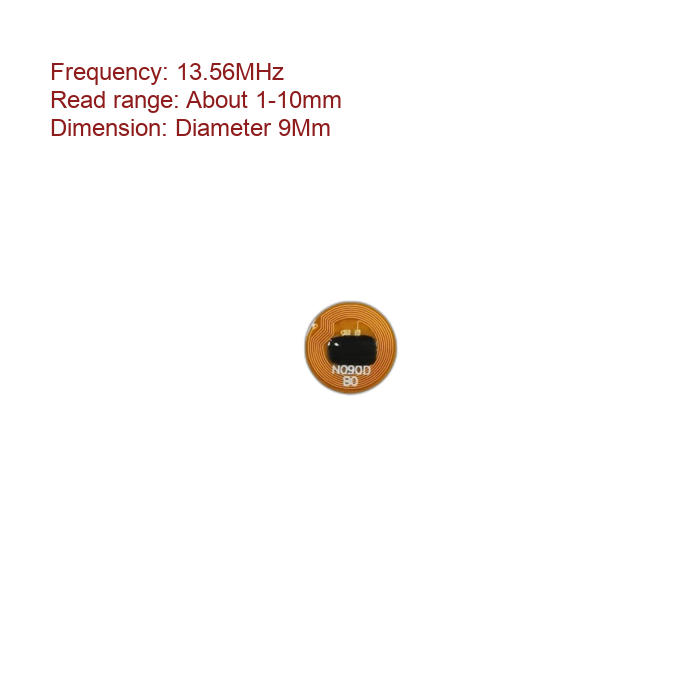
The Diameter 9 High Temperature Resistant FPCRFID Label Flexible Waterproof Small NFC Electronic Label is a high-performance flexible high-temperature resistant NFC label designed for compact asset tagging and authentication in high-temperature industrial environments. It provides reliable performance for professional industrial systems. It features:
- Ultra-Compact 9mm Diameter: Enables integration into space-limited products such as medical devices or small consumer electronics.
- High-Temperature Tolerance: Withstands up to 260°C for 10-30 seconds, ideal for solder reflow processes or industrial sterilization.
- Flexible FPC Substrate: Allows mounting on curved surfaces without detachment, ensuring reliable performance in dynamic environments.
- Date
- June 24, 2026
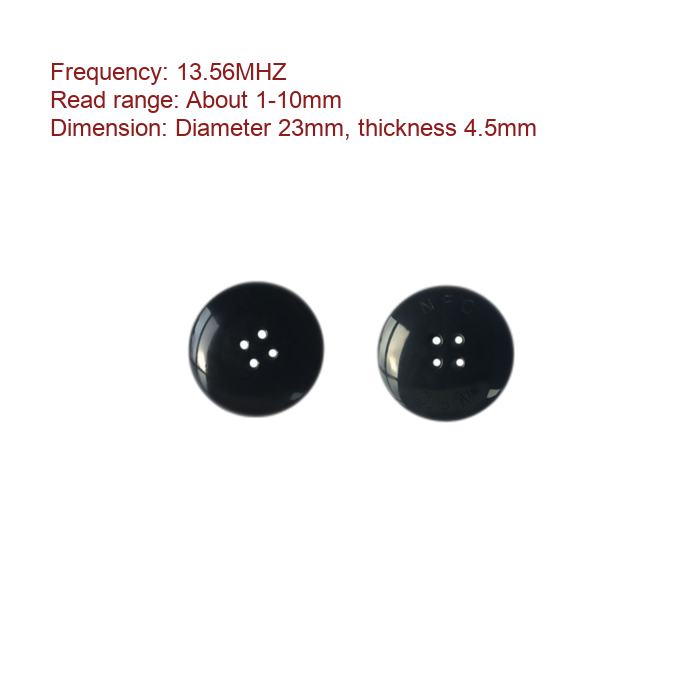
The 13.56MHz epoxy resin sealed RFID high frequency washable high temperature resistant NFC smart button electronic tag is a high-performance NFC smart button tag designed for industrial laundry and clothing asset management. It delivers reliable performance for professional tracking systems. It features:
- Epoxy Resin Sealed Housing: Fully encapsulated construction withstands repeated industrial wash cycles and harsh chemical exposure, ensuring long-term durability in laundry applications.
- Extreme Temperature Tolerance: Rated for 200°C for 2 hours and 260°C for 10–30 seconds, enabling reliable operation through industrial pressing and sterilization processes.
- NFC NTAG213 Chip Integration: Provides 13.56 MHz contactless data transfer with 10-year retention and 100,000 write cycles for consistent, large-scale asset tracking.
- Date
- June 24, 2026
The NXP216 chip Electronic Laundry label is a high-performance PPS NFC tag for industrial applications designed for high-temperature laundry tracking and asset identification. Produced by DO RFID Reader manufacturer, it provides reliable performance for professional industrial systems. It features:
- High-Temperature PPS Material: Withstands repeated exposure up to 180°C, ensuring durability in commercial laundry and harsh industrial environments to reduce replacement costs.
- NTAG216 Chip Capacity: Offers 888 bytes of user memory for storing critical asset data, supporting bulk deployment in asset tracking and process automation applications.
- ISO 14443A Compliance: Ensures universal compatibility with standard NFC readers for seamless integration into existing industrial identification systems and supply chain management.
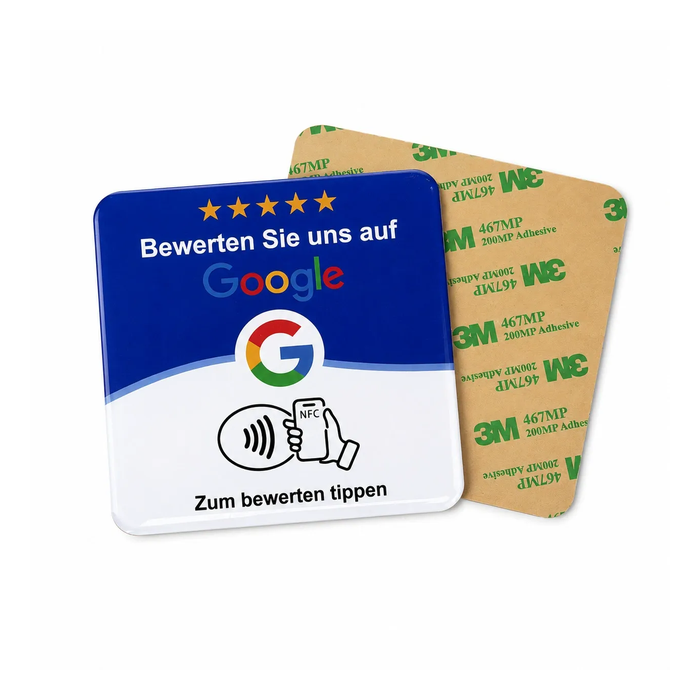
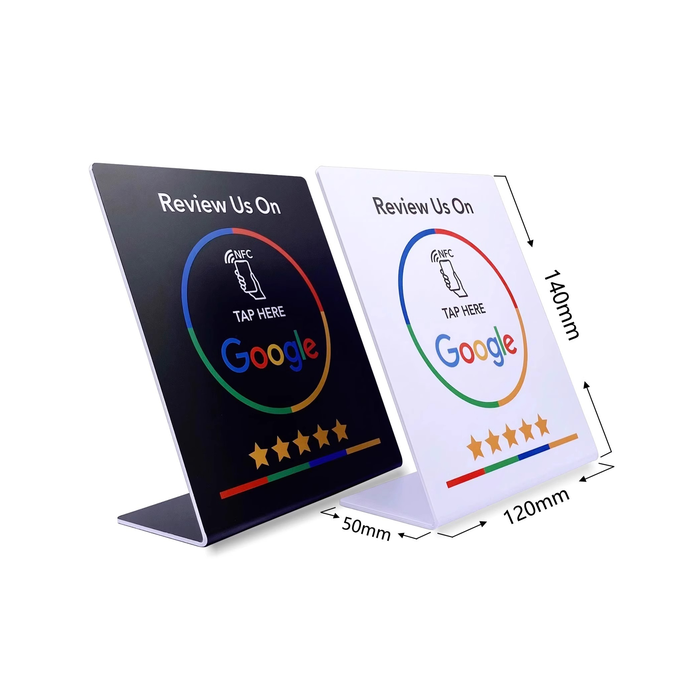
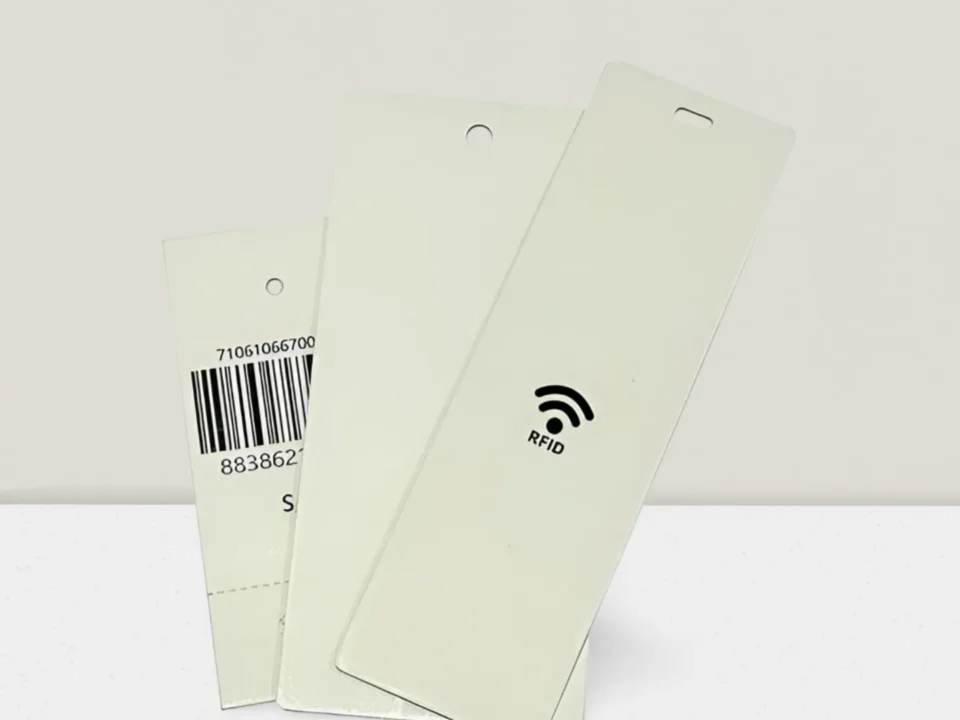
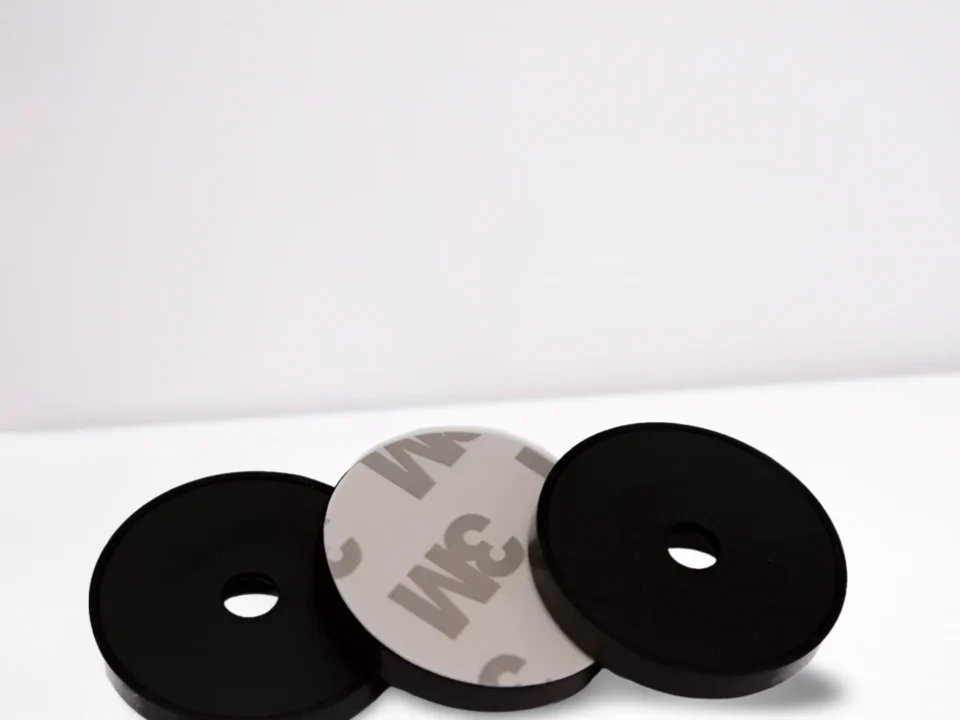
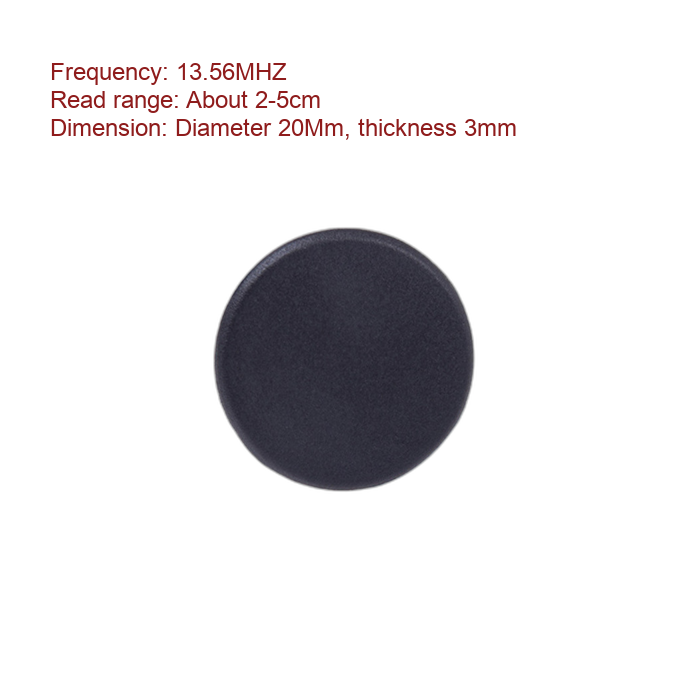
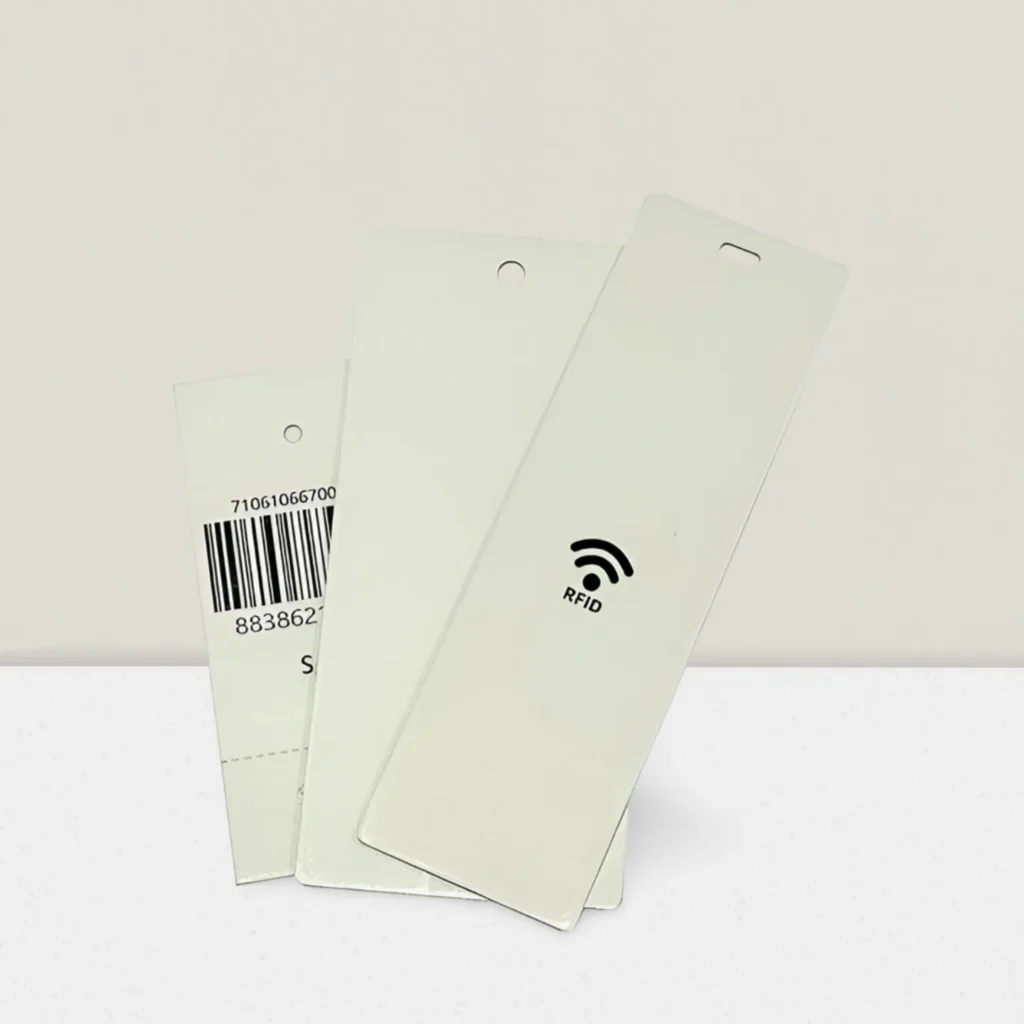
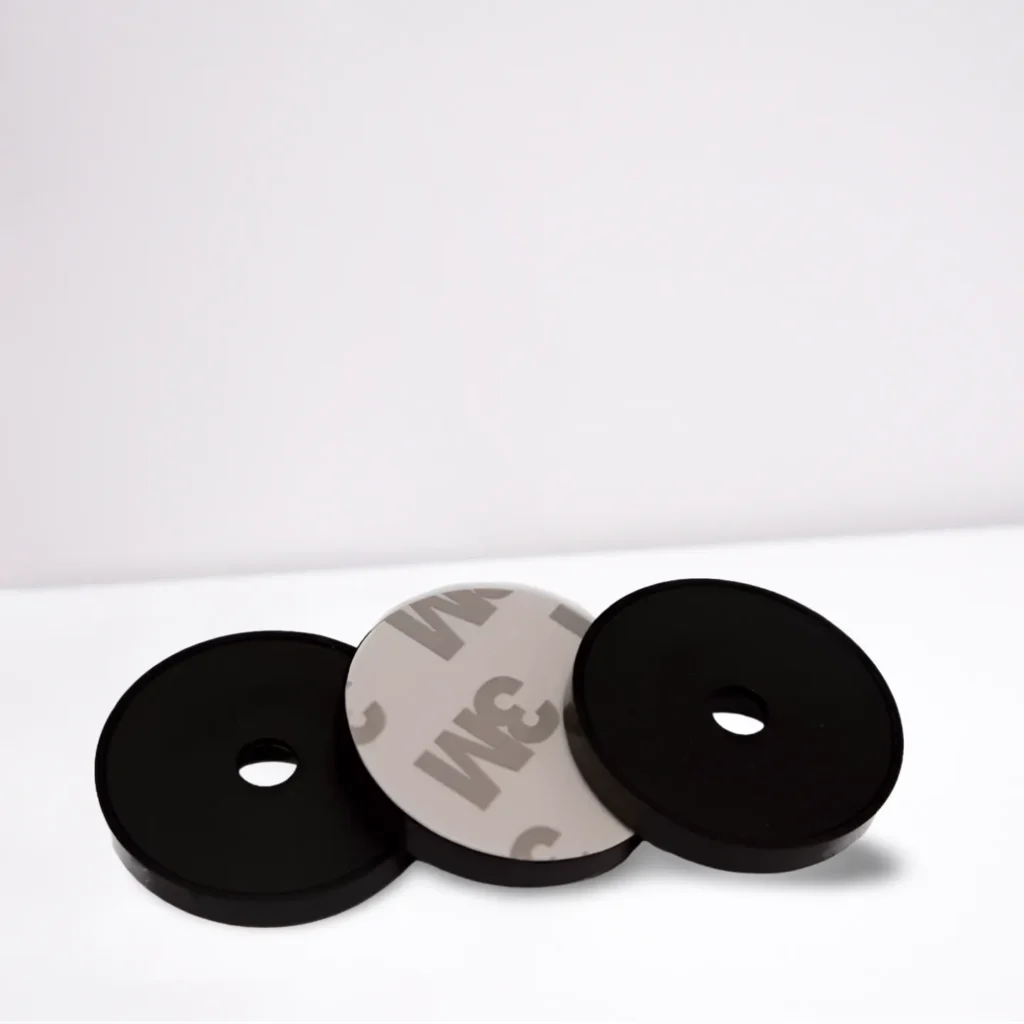
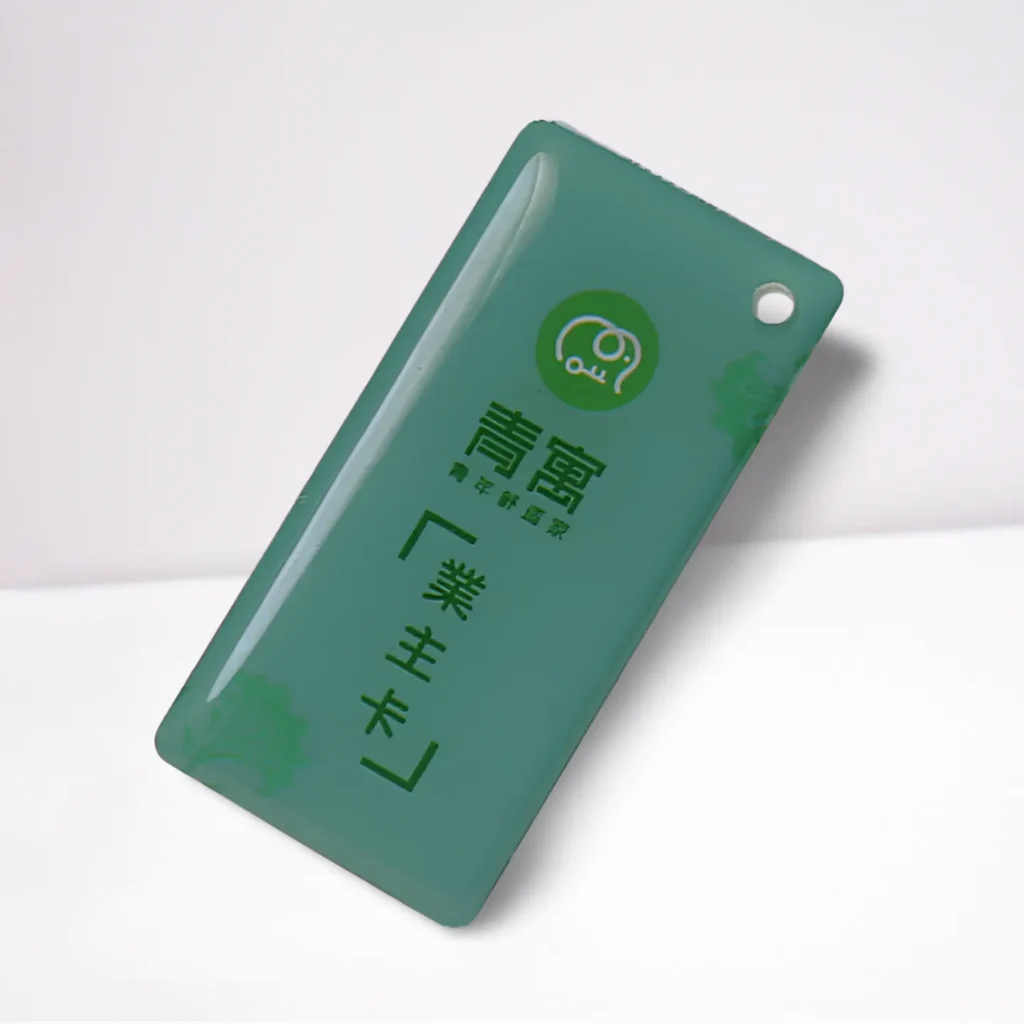
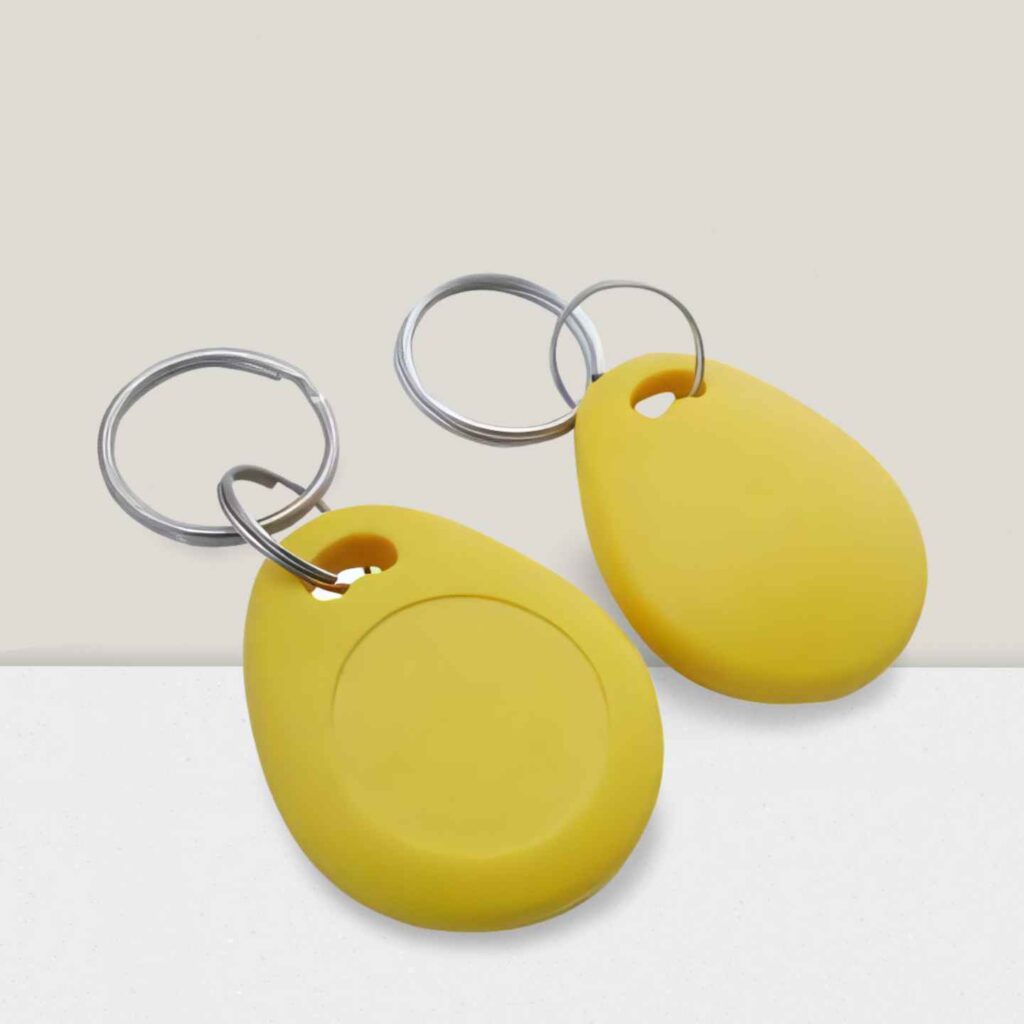


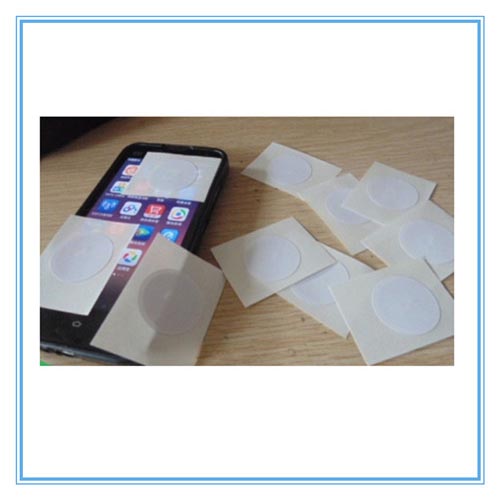
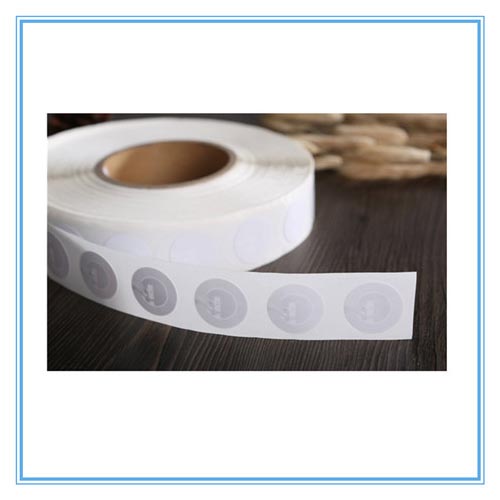
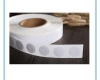
Description
For example, you can use a tag to store information on various topics at a kiosk. Each tag has specific functionality that lets you use the tag for particular tasks.
In addition to the signaling technologies used by near field communication technology,including NFC TAG Type 1, type 2 nfc tag,NFC TAG Type 3,NFC TAG Type 4 exist. Tag types refer to the speed and compatibility between an NFC tag and NFC readers, and the roles define how active and passive devices respond during a NFC communication. Most often a URL will be embedded in a NFC tag.
URLs take up only a small amount of memory, lowering the production cost of the NFC tags since many are placed on posters or other items that are thrown away later on. NFC tags can, however, hold nearly any type of information, though more memory costs more money.
Primary Applications:
- Access control
- Attendance control
- Identification
- Tickets
- E-tickets
Specification
| Material | Paper, coated paper, thermal paper |
|---|---|
| Dimension | -Round, 50mm / 40mm / 30mm / 25mm in diameter |
| -Square, 50*50mm, 40*40mm, 29*29mm, other bigger or smaller size required , kindly contact us. | |
| Personalization | -custom logo, color printed for surface paper |
| -customized data information writable in the chip, like url (website) , serial numbers, etc. | |
| Feature | ok to share datas by nfc enabled phone, faster and more convenient than bluetooth |
| Application | new company promotion, smart poster, event ticketing, admission ticket management system, industrial using for goods tracking, one-card in transmission |
| RFID specification | |
| Frequency | 13.56mhz, 860-960mhz |
| Protocol | ISO14443A, ISO15693, ISO18000-6C |
| UHF chip | Alien h3 / h4, u code gen 2 , Monza 4 / 5 / 6 |
| HF chip | Ntag213 / 215 / 216, Ultralight, fudan f08, i code sli |
| Read Distance | 1-5m for UHF 1-10cm for HF |
How NFC Tags Work (Working Principle)
The working mechanism of NFC tags is based on electromagnetic induction.
Step 1: NFC Reader Generates an RF Field
When a smartphone or NFC reader is activated, it emits a 13.56 MHz radio frequency electromagnetic field.
Step 2: Energy Harvesting
The antenna inside the NFC tag captures energy from this electromagnetic field.
This energy powers the chip instantly without any battery.
Step 3: Data Exchange
Once powered, the NFC chip communicates with the reader using a standardized protocol such as:
- ISO/IEC 14443 (Type A & B)
- NFC Forum Type 2 / Type 4 standards
Data is transferred in milliseconds, allowing instant interaction.
Step 4: Secure Interaction (Optional)
Advanced NFC tags support security features such as:
- Password protection
- AES encryption (in high-end chips like DESFire)
- Dynamic authentication
- Anti-cloning mechanisms
This enables secure applications like payment, identity verification, and product authentication.
Key Technical Features of NFC Tags
NFC tags come in different chip types and memory configurations, but most share core characteristics:
| Feature | Specification |
|---|---|
| Frequency | 13.56 MHz |
| Communication Range | 1–5 cm |
| Power Source | Passive (no battery) |
| Standards | ISO14443A/B, NFC Forum |
| Memory | 48 bytes – several KB |
| Lifespan | 10+ years |
| Read/Write Cycles | 100,000+ |
| Compatibility | Android, iOS (limited functions) |
Types of NFC Tags
1. Type 1 Tags
- Low cost
- Small memory
- Basic applications (URL, simple data)
2. Type 2 Tags (e.g., NTAG series)
- Most common in marketing
- Good balance of cost and performance
- Smartphone compatible
3. Type 3 Tags (FeliCa-based)
- High speed
- Used mainly in Japan transportation systems
4. Type 4 Tags (DESFire series)
- High security
- Used for access control and payment systems
What Problems Do NFC Tags Solve?
1. Eliminating Manual Data Entry
NFC tags allow instant access to stored information with a single tap, eliminating manual typing and reducing human error.
2. Improving Product Authentication
Counterfeit products are a major global issue.
NFC tags provide:
- Unique identification
- Encrypted authentication (advanced chips)
- Anti-cloning protection
- Digital verification via smartphone
3. Enhancing Customer Experience
NFC tags enable seamless interaction such as:
- Opening websites instantly
- Accessing product manuals
- Downloading apps
- Connecting to Wi-Fi
- Viewing videos or promotions
4. Reducing Operational Costs
Businesses can replace:
- Printed manuals
- Paper labels
- Manual scanning systems
with digital NFC-based workflows.
5. Enabling Smart Automation
In industrial environments, NFC tags support:
- Asset tracking
- Inventory management
- Equipment maintenance records
- Production line identification
Application Scenarios of NFC Tags
Retail & Smart Packaging
Brands use NFC tags to connect physical products to digital content:
- Product authentication
- Brand storytelling
- Loyalty programs
- Warranty registration
Access Control Systems
NFC tags are widely used in:
- Office entry cards
- Hotel room keys
- Gym memberships
- Event tickets
Payment Systems
NFC technology powers:
- Mobile payments (Apple Pay, Google Pay)
- Transit cards
- Contactless vending systems
Logistics & Supply Chain
NFC tags improve tracking for:
- Package identification
- Warehouse management
- Asset verification
- Shipment tracking
Healthcare
Hospitals use NFC tags for:
- Patient identification
- Medical device tracking
- Medication verification
- Sample labeling
Industrial IoT
Factories integrate NFC tags into:
- Machine maintenance systems
- Tool tracking
- Production line control
- Quality assurance workflows
Competitive Analysis: NFC Tags vs Other Technologies
NFC vs QR Codes
| Feature | NFC Tags | QR Codes |
| Scanning | Tap | Camera required |
| Speed | Instant | Slower |
| Security | Medium–High | Low |
| Durability | High | Can be damaged |
| Cost | Higher | Very low |
| Offline Capability | Yes | Yes |
NFC offers better user experience and stronger security, while QR codes remain cheaper for mass marketing.
NFC vs UHF RFID
| Feature | NFC | UHF RFID |
| Range | Very short | Long (1–10m) |
| Security | High | Moderate |
| Smartphone Support | Yes | No |
| Industrial Tracking | Limited | Excellent |
| Retail Interaction | Excellent | Limited |
NFC is better for user interaction, while UHF is better for logistics and bulk scanning.
NFC vs Bluetooth
| Feature | NFC | Bluetooth |
| Power Usage | Passive | Active |
| Setup Time | Instant | Requires pairing |
| Range | Very short | Long |
| Complexity | Very simple | Moderate |
NFC excels in instant, one-tap interactions, while Bluetooth is better for continuous communication.
NFC vs High-Security RFID (DESFire / ICODE DNA)
High-security RFID systems offer:
- Strong AES encryption
- Mutual authentication
- Anti-cloning protection
- Enterprise-grade security
Standard NFC tags (like NTAG series) are simpler and less secure, but more cost-effective for marketing and consumer applications.
Advantages of NFC Tags
- Fast and intuitive interaction
- No battery required
- Wide smartphone compatibility
- Flexible application range
- Low maintenance cost
- Easy integration with digital systems
Limitations of NFC Tags
- Very short reading distance
- Limited memory in low-cost tags
- Security varies by chip type
- Requires a compatible device
Future Trends of NFC Technology
NFC technology continues to evolve with trends such as:
- Smart packaging integration
- Digital product passports (EU regulations)
- Mobile identity systems
- NFC-enabled IoT ecosystems
- Blockchain-based authentication
- Smart retail automation
As digital transformation accelerates, NFC tags will become a standard bridge between physical products and digital ecosystems.
Conclusion
NFC tags are a powerful and flexible technology enabling seamless communication between physical objects and digital systems. Operating on 13.56 MHz passive RFID technology, they provide fast, secure, and user-friendly interaction across industries such as retail, logistics, healthcare, access control, and industrial automation.
Compared with QR codes, Bluetooth, and even some RFID systems, NFC stands out for its simplicity, smartphone compatibility, and instant usability. While not ideal for long-range tracking, NFC excels in close-range authentication and user engagement scenarios.
As industries move toward smarter, more connected environments, NFC tags will continue to play a critical role in enabling digital transformation, improving efficiency, and enhancing user experience across global markets.